Description
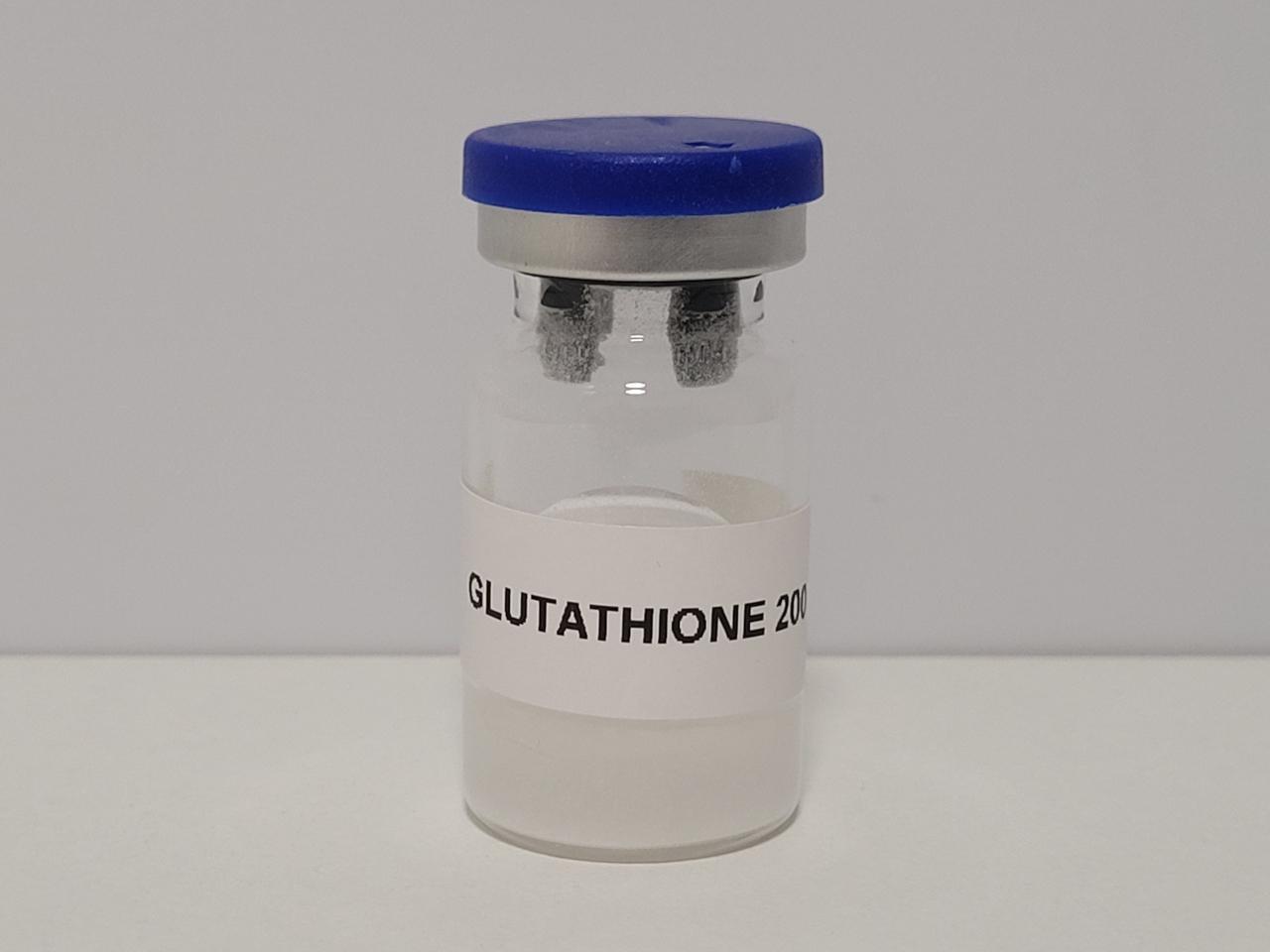
Glutathione is a tripeptide, which means that it is made up of three amino acids: cysteine, glycine, and glutamic acid. Cysteine is a special amino acid—it contains sulfur. Our cells have a lot of it. It’s present in the cells at the same concentration as other important molecules like glucose, potassium, and cholesterol. It is most abundant in the liver.
Glutathione for skin. Glutathione is a popular way to lighten skin and may be used topically and as an oral supplement. There seems to be some evidence that it may brighten skin color. However, it appears it’s not long-term and does not work in all body parts. More research has to be done before conclusions can be made. It may improve skin elasticity and reduce wrinkles.
Glutathione for the liver. The liver is an important organ, so it’s vital to keep it healthy. When the liver accumulates excess fat, the cells may experience oxidative stress, which can develop into a liver condition. Glutathione’s antioxidant function may help protect liver cells from oxidative stress. Additional glutathione may be beneficial for chronic conditions.
Glutathione for immunity. Our immune system relies on inflammation to tackle infections, especially as a method of our first-line defense. Glutathione can help lower inflammation, especially in chronic conditions. It is also vital for the functioning of the immune system, including our T-cell multiplication and adaptive immunity.
Glutathione in the ageing brain. Our levels of the antioxidant decline with age. Glutathione’s antioxidant function is critical in the brain. These declines can be linked to the loss of neurons and may even be connected to dementia and related pathogenies. Therefore, supporting optimal levels can be crucial.