Description
NAD+ Injection is a compounded prescription formulation of nicotinamide adenine dinucleotide (NAD+), a coenzyme found in all living cells and crucial for fundamental biological processes. NAD+ helps drive cellular energy production by shuttling electrons in metabolic pathways like glycolysis and the Krebs cycle, ultimately enabling ATP synthesis for cell function. Beyond its metabolic role, NAD+ also participates in DNA repair and cell signaling, making it essential for maintaining cellular health and viability. Natural NAD+ levels decline progressively with age; by middle age, tissues may contain roughly half the NAD+ they had in youth. This age-related NAD+ depletion has prompted interest in NAD+ supplementation strategies to support cellular metabolism and possibly counteract aspects of aging.
Clinically, NAD+ Injection has been explored for a range of potential wellness benefits, although robust evidence in humans remains limited. Advocates propose that boosting NAD+ could increase energy levels, enhance mitochondrial function, and improve fatigue or cognitive clarity in some individuals.
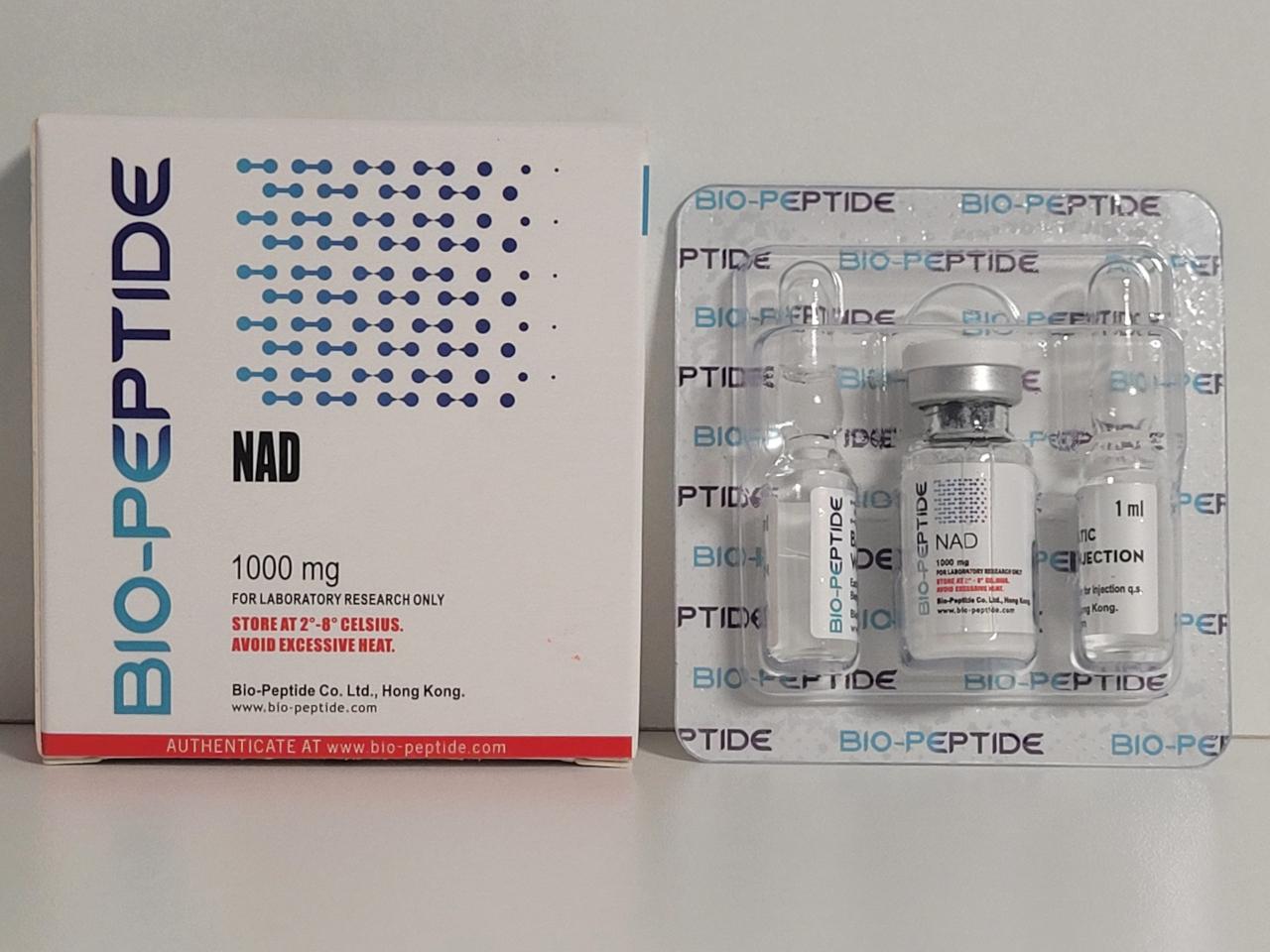
NAD+ Injection is supplied by compounding pharmacies as a lyophilized (freeze-dried) sterile powder, typically in vials containing 500 mg or 1,000 mg of NAD+ per vial. The powder is reconstituted with sterile diluent (such as bacteriostatic water) before use to yield an injectable solution. Dosing regimens are individualized, as there is no one-size-fits-all dosage for NAD+ therapy. For general wellness or anti-aging purposes, providers often start with relatively low doses and adjust based on patient response. A common protocol, for example, is to begin with about 20 mg of NAD+ administered subcutaneously and gradually increase the dose over subsequent injections up to around 100 mg per injection. These injections may be given a few times per week; a usual schedule is 1 to 3 times weekly, depending on how well the patient tolerates NAD+ and the goals of therapy. By ramping up the dosage slowly, patients can often avoid side effects like headache or nausea while still obtaining the energizing or cognitive benefits of NAD+. A maintenance plan might involve ongoing injections of 50-100 mg weekly or as directed by the prescribing provider. Importantly, NAD+ injections can be administered either in a clinic or self-administered at home if the patient has been properly instructed; the subcutaneous shots are given into the fatty tissue (for instance, the back of the arm or the abdomen) using a small insulin-type syringe for convenience.